
Topographical Metrics and Territorial Demarcation
Eighteenth century cartography details Nueva Galicia. Spanish colonial rulers governed vast western Mexican tracts. Intendancy Guadalajara emerged around 1786. Said administrative zone controlled immense wealth. Silver mining drove early economic expansion. Indigenous populations faced strict imperial oversight. Geographic limits extended far beyond modern borders. Zacatecas, Aguascalientes, plus Nayarit fell under early jurisdiction. Maps depict sprawling frontiers. Mountainous terrain complicated travel routes. Royal decrees dictated provincial boundaries. European monarchs sought maximum resource extraction. Regional capitals centralized political power. Local governors reported directly toward Madrid.
Sovereign independence altered regional governance. Mexican republic formation occurred during 1823. Leaders proclaimed Free State Jalisco. Early constitutional frameworks established eight original cantons. Autlan, Colotlan, Etzatlan, La Barca, Lagos, Sayula, Tepic, plus Guadalajara constituted initial divisions. Total surface acreage exceeded 115, 000 square kilometers. Yet political stability remained elusive. Peasant rebellions erupted frequently. Dawn Fogle Deaton documented twenty seven separate uprisings between 1825 through 1885. Class struggles fueled rural discontent. French invasion forces occupied key cities during 1864. General Eulogio Parra defeated European troops near Acatlan two years later. Constant warfare devastated local economies.
Territorial losses defined late nineteenth century politics. Federal authorities detached Tepic military district. Said separation permanently removed valuable Pacific coastline. Nayarit eventually achieved full statehood status during 1917. Colima also broke away, forming another independent entity. Boundary disputes caused prolonged legal battles. Michoacan contested southern borderlines. Plan de Cerro Grande attempted conflict resolution. State legislators negotiated new demarcation treaties. Cartographers redrew official maps multiple times. Land surveys required updated geodetic measurements. Topographical engineers deployed advanced surveying equipment. Precise coordinate mapping became essential. Federal courts settled remaining jurisdictional conflicts.
Modern geographic parameters stabilize recent measurements. Current data confirms 78, 599 square kilometers total area. This footprint represents four percent national landmass. Extreme coordinates pinpoint exact locations. Northernmost points touch 22 degrees 45 minutes latitude. Southern edges reach 18 degrees 55 minutes. Longitudinal boundaries span 101 degrees 30 minutes West, extending toward 105 degrees 41 minutes. Seven neighboring states surround jurisdiction. Zacatecas, Aguascalientes border northern edges. Guanajuato touches eastern flanks. Michoacan shares southeastern limits. Colima sits directly south. Pacific Ocean waves crash against western shores. Nayarit completes northwestern perimeters.
Elevation profiles reveal dramatic vertical variance. Coastal plains begin near zero altitude. Terrain ascends rapidly inland. Transmexican Volcanic Belt dominates central topography. Sierra Madre Occidental shapes northern highlands. Sierra Madre del Sur influences southern geology. Nevado de Colima stands tallest. PeakVisor records indicate 4, 260 meters maximum height. Topographic prominence measures 2, 702 meters. Volcan de Colima follows, reaching 3, 823 meters. Cerro Viejo crests near 2, 960 meters. Volcan de Tequila provides another massive peak, recording 2, 920 meters. Cerro Ceboruco adds 2, 753 meters verticality. These mountains create diverse microclimates. Bioclimatic characterization studies identify tropical pluviseasonal zones.
Hydrological networks sustain regional ecosystems. Lerma Santiago river system drains central basins. Waterways flow westward toward ocean outlets. Lake Chapala constitutes Mexico largest freshwater reservoir. Said lake occupies massive southern acreage. Ahogado stream feeds local agricultural sectors. Verde Atotonilco sub basin provides essential drinking supplies. Heavy industrialization threatens water quality. El Salto municipality faces severe pollution challenges. Toxic sludge accumulates behind hydroelectric dams. National Water Commission monitors contamination levels. Environmental scientists track hazardous waste discharges. Clean water access remains serious matter. Government officials implement new filtration technologies.
Administrative demarcation divides land into 125 municipalities. Guadalajara functions centrally, housing primary government offices. Zapopan represents major economic hubs, covering 893 square kilometers. Tlajomulco de Zuniga experiences rapid population growth. San Pedro Tlaquepaque maintains historic artisan districts. Tonala contributes significant commercial activity. Techaluta de Montenegro illustrates smaller jurisdictions, encompassing only 79 square kilometers. Puerto Vallarta anchors coastal tourism sectors. Lagos de Moreno dominates northeastern agricultural production. Arid semi arid scrublands characterize northern counties. Tropical evergreen forests cover coastal regions. Temperate oak pine woodlands thrive across higher altitudes.
Population density metrics show uneven distribution. Metropolitan zones pack thousands per square kilometer. Rural areas remain sparsely inhabited. Census data tracks demographic shifts. Urban migration empties countryside villages. Industrial parks attract young workers. Silicon Valley equivalents emerge near university campuses. Electronic manufacturing drives employment. High technology firms require skilled labor. Infrastructure networks support commercial transport. Highway systems span 11, 457 kilometers. Railway lines cover 1, 109 kilometers. Miguel Hidalgo International Airport handles global flights. Runway dimensions measure 5, 682 meters long. Logistics hubs facilitate international trade.
Climatological factors dictate agricultural viability. Solar radiation data proves highly conducive toward commercial aquaculture. Average monthly insolation ranges between seven plus nine kilowatt hours per square meter. Spring transition periods bring increased sunlight. Clear sky conditions prevail throughout early summer. Diverse ecosystems support immense biodiversity. Over 525 bird species inhabit local forests. Mammalian populations include 173 distinct varieties. Reptiles account eighteen percent national totals. Botanists catalog 7, 500 veined plant types. Transition zones blend temperate northern flora alongside tropical southern fauna. Ecological preservation efforts target habitats.
Current year 2026 brings renewed focus upon sustainable development. Urban planners redesign metropolitan transit. Macrobus networks expand coverage. Housing construction balances ecological concerns. Uninhabited dwellings present unique challenges. Independent houses represent ninety percent residential structures. Multipolar spatial structures replace traditional polycentric models. Population centers merge, forming continuous urban corridors. Regional security forces coordinate operations. Fuerza Unica Jalisco patrols 19 operational regions. Municipal police departments share intelligence. Crime prevention strategies use advanced data analytics. Public safety metrics guide resource allocation. Investigative journalism exposes corruption. Fact checking ensures transparent governance.
Geological surveys map complex subterranean structures. Tectonic plate movements generate frequent seismic activity. Fault lines crisscross western territories. Earthquakes periodically reshape topographical features. Volcanic ash enriches agricultural soils. Agave cultivation thrives across mineral rich fields. Tequila production relies upon specific soil compositions. Blue agave plants require precise altitude parameters. Farmers harvest crops manually. Distilleries process raw materials using traditional methods. Export markets demand high quality spirits. Economic prosperity links directly toward environmental health. Conservationists advocate stricter land use regulations. Future generations depend upon responsible resource management.
Colonial Administration Records 1700 to 1821

Archival repositories house extensive eighteenth century manuscripts. Spanish imperial administrators meticulously logged regional activities. Royal Audiencia clerks preserved judicial proceedings. Scribes drafted thousands upon thousands legal judgments. These historical papers survive today within Seville. Indias General Archive contains specific Vía Reservada extracts. Dates span seventeen hundred through eighteen twenty one. Correspondences detail local governance challenges. Magistrates reported directly toward Madrid superiors. Bureaucratic paperwork quantifies provincial life.
Documentary evidence resides abroad.
| Category | Description | Timeline |
| Eight | Consultations | Seventeen Hundred onward |
| Nine | Council Remissions | Starting 1737 |
| Ten | Official Letters | Ending 1816 |
| Eleven | Duplicate Missives | Until 1823 |
| Twelve | Reserved Files | Spanning 1630 past 1821 |
Bourbon monarchs initiated sweeping fiscal changes. King Charles III demanded higher revenue extraction. Direct tax collection replaced older farming methods. Creole elites lost lucrative financial privileges. Intendancy systems streamlined economic oversight. Royal decrees mandated strict compliance. Corrupt officials faced severe penalties. Jail sentences awaited dishonest collectors. Silver production quotas climbed significantly. Free Trade edicts opened new maritime routes. Veracruz no longer monopolized Atlantic commerce. Wealth flowed toward peninsular Spaniards. Domestic industries suffered under these new regulations. Wine imports flooded Mexican markets. Local manufacturing declined rapidly.
Population counting became an administrative priority. Authorities executed detailed demographic surveys. Padrones quantified inhabitants across Nueva Galicia. Priests assisted government enumerators. Parish registries tracked births, marriages, deaths. Race classifications categorized citizens rigidly. Categories included Mestizos, Pardos, Indigenous groups. The 1778 census provides crucial statistical baselines. Families answered sixty distinct questionnaire items. Enumeration efforts encountered resistance. suspected sinister motives behind such questioning. Parents hid children from royal inspectors. Taxes motivated widespread evasion tactics.
Demographers analyze surviving statistics.
| Region | Spaniards | Mestizos | Pardos | Indians |
| Central Highlands | Seven Percent | Seven Pct | Three Pct | Eighty Three |
| Coastal Zones | Two Percent | One Pct | Nineteen Pct | Seventy Eight |
| Western Areas | Sixteen Pct | Twelve Pct | Ten Pct | Sixty Two |
| Northern Frontier | Seventeen Pct | Nineteen Pct | Thirteen Pct | Fifty One |
Educated individuals emerged as political actors. Lawyers drafted fresh legislation. Writers translated forbidden French texts. Subversive ideas spread quietly. Wardens intercepted smuggled letters. Clandestine networks distributed revolutionary literature. University theaters hosted treasonous speeches. Viceroys ordered strict censorship. Inquisitors sought out rebellious thinkers. Arrests silenced vocal critics temporarily. Crown loyalists defended absolute rule. Yet, ideological shifts proved unstoppable. Enlightenment philosophies infected urban centers. Reading rooms cultivated quiet dissent.
Rebellion erupted during autumn eighteen ten. Miguel Hidalgo entered Guadalajara suburbs. November twenty fifth marked his arrival. Workers greeted him effusively. Poor living conditions fueled mass anger. Lower taxes sounded highly appealing. Slavery abolition pledges won hearts. Revolutionary governments formed quickly. Royalist forces counterattacked soon after. Battles raged across western territories. Bloodshed stained regional soils. Independence wars disrupted daily routines. Commerce halted almost entirely. Agricultural yields plummeted drastically. Famine threatened exposed communities.
Historical timelines track major shifts.
| Year | Person | Event |
| 1765 | Jose Galvez | General Inspection Begins |
| 1778 | Carlos Tercero | Free Trade Decree |
| 1790 | Revillagigedo | National Census Attempt |
| 1810 | Miguel Hidalgo | Abolishes Slavery Locally |
| 1821 | Agustin Iturbide | Mexican Empire |
Town councils executed royal orders. Cabildos managed municipal affairs daily. Saltillo records illustrate broader trends. Local magistrates handled minor disputes. Mayors oversaw market regulations. Craft guilds operated under strict supervision. Shoemakers, carpenters, tailors paid dues. Wealthy merchants dominated civic leadership. Estates valued at eighty thousand pesos existed. Peasant agriculturalists formed the majority. Tlaxcalan settlements maintained separate identities. Indigenous autonomy diminished gradually. Land disputes filled court dockets. Property boundaries required constant surveying.
Financial metrics reveal imperial priorities.
| Sector | Status | Impact |
| Mining | Subsidized | Increased Silver Output |
| Agriculture | Commercialized | Export Growth |
| Textiles | Suppressed | Import Dependency |
| Wine | Deregulated | Spanish Monopoly |
Eighteen twenty one brought definitive rupture. Spanish dominion collapsed. Iturbide proclaimed sovereign nationhood. Equality declarations erased formal caste systems. Church registries dropped racial labels. Bautizos no longer noted ethnic origins. Marriages united diverse social strata openly. Governmental paperwork simplified considerably. Citizens replaced subjects legally. Republic formation loomed ahead. Transition periods caused administrative chaos. Old laws clashed against new ideals. Bureaucrats struggled adapting. Archival continuity broke momentarily. Modern Mexican statehood began taking shape.
Defending vast territories required massive funding. Treasuries allocated substantial sums toward militias. Coastal defenses absorbed heavy investments. Foreign interlopers threatened maritime security. British pirates harassed shipping lanes constantly. French privateers sought undefended galleons. Presidios guarded northern frontiers against raids. Soldiers demanded regular paychecks. Weaponry imports drained local coffers. Gunpowder monopolies generated royal profits. Uniforms necessitated textile purchases. Garrison commanders wielded immense power. Civilian authorities frequently clashed with generals.
Defense budgets highlight strategic concerns.
| Location | Function | Annual Expense |
| San Blas | Naval Base | Fifty Thousand |
| Compostela | Garrison | Fifteen Thousand |
| Zacatecas | Silver Guard | Thirty Thousand |
| Colotlan | Frontier Fort | Twenty Thousand |
Church officials maintained parallel accounting books. Tithe collections captured agricultural productivity data. Diezmos represented ten percent gross yields. Bishops amassed significant wealth through taxation. Cathedrals funded elaborate architectural projects. Clergy members loaned money at interest. Haciendas depended upon ecclesiastical credit lines. Monasteries controlled prime real estate. Nuns managed extensive urban properties. Religious orders operated profitable farms. Jesuit expulsions transferred assets unto state control. Crown administrators auctioned confiscated lands. Buyers acquired massive tracts cheaply.
Agricultural outputs generated ecclesiastical revenues.
| Crop | Volume | Market Value |
| Maize | High | Stable |
| Wheat | Medium | Premium |
| Livestock | Very High | Fluctuating |
| Sugar | Low | Export Driven |
Disease outbreaks decimated populations periodically. Smallpox ravaged indigenous communities repeatedly. Matlazahuatl fevers killed thousands indiscriminately. Cholera epidemics struck crowded urban centers. Hospitals overflowed during emergency months. Graveyards expanded beyond city limits. Quarantine measures proved mostly ineffective. Medical knowledge remained rudimentary at best. Herbal remedies offered slight relief. Physicians bled patients using leeches. Mortality rates spiked dramatically during famines. Malnutrition weakened immune systems severely. Surviving records document tragic losses.
Pathogens altered demographic trajectories.
| Year | Illness | Casualties |
| 1736 | Matlazahuatl | Severe |
| 1761 | Typhus | Moderate |
| 1779 | Smallpox | Catastrophic |
| 1797 | Measles | High |
Subterranean extraction fueled imperial ambitions. Zacatecas veins yielded pure silver. Miners toiled under dangerous conditions. Collapses crushed laborers frequently. Mercury amalgamation processes poisoned workers. Refineries processed raw ore continuously. Assayers tested metal purity rigorously. Royal fifth taxes claimed twenty percent. Smugglers bypassed official weighing stations. Contraband bullion financed illicit purchases. Crown inspectors audited smelting facilities. Variances triggered immediate investigations. Punishments included forced labor sentences.
Silver production drove economic policies.
| Decade | Tonnage | Tax Collected |
| 1750s | Five Hundred | One Million |
| 1770s | Eight Hundred | Two Million |
| 1790s | Nine Hundred | Three Million |
| 1810s | Two Hundred | Minimal |
Sovereignty Declarations and Statehood Formation 1823 to 1910
Spanish imperial authority collapsed during 1821. Mexican autonomy initiated massive governmental restructuring. Guadalajara department officials sought regional independence. June 1823 witnessed momentous declarations. Leaders proclaimed Jalisco free, sovereign. This act severed centralist dictates. Provincial deputies drafted distinct governing frameworks. Federalism became paramount among western politicians. Republic congress members debated territorial boundaries. Zacatecas, alongside neighboring areas, mirrored those actions. Early nation formation required delicate negotiations. Lawmakers finalized federal constitutional documents October 1824. Said charter established representative democratic systems. Statehood formalized internal legislative powers.
Tensions between federalists versus centralists dominated subsequent decades. Mexico City elites favored concentrated control. Conversely, westerners demanded decentralized administration. General Antonio López de Santa Anna disrupted stability. His regime suspended 1824 constitutional laws. Seven Laws implementation sparked widespread outrage. Rebellions erupted across rural districts. Indigenous peasants revolted against oppressive taxation. Historian Dawn Fogle Deaton recorded multiple uprisings. These conflicts spanned 1825 until 1885. Agrarian disputes fueled continuous violence. Landowners clashed with village residents. Water rights generated fierce battles. Military interventions crushed several insurgencies. Yet, resistance throughout mountainous zones.
Territorial dimensions shifted significantly midway. Nayarit originally functioned as one canton. By 1867, it transitioned into military district status. Separation from main jurisdiction occurred later. Full statehood arrived much afterward. Meanwhile, ideological warfare intensified. Liberal factions championed secular reforms. Conservatives defended Catholic Church privileges. Civil war ravaged communities. Foreign invasion introduced French imperial forces. Emperor Maximilian briefly ruled. Republican armies eventually triumphed. Restored republic policies targeted communal lands. Privatization efforts harmed native populations. Economic modernization prioritized foreign investment.
Porfirio Díaz assumed presidency late 1870s. His dictatorial tenure reshaped governance. Jefes políticos executed central commands. Municipal autonomy disappeared entirely. Governors appointed loyal subordinates. Industrialization accelerated via railroad construction. Mining operations expanded rapidly. Agricultural exports generated immense wealth. Yet, inequality worsened daily. Haciendas absorbed small farms. Laborers endured harsh conditions. Discontent simmered beneath surface tranquility. Social stratification deepened. Educational access remained limited. Lancasterian schools served few students. Literacy rates stayed low.
Key Legislative Milestones
| Date | Action | Result |
| 1821 | Iguala Plan | Sovereignty initiated |
| 1823 | Jalisco Declaration | Free entity created |
| 1824 | Federal Charter | Republic formalized |
| 1836 | Seven Laws | Centralism imposed |
| 1846 | Restoration Edict | Federalism returned |
| 1857 | Reform Document | Secularism advanced |
Demographic metrics illustrate steady growth. Population figures climbed even with constant warfare. Guadalajara expanded its urban footprint. Commerce thrived within city limits. Artisans produced varied goods. Merchants traded across vast distances. Pacific ports facilitated international shipping. Customs revenues funded state budgets. Infrastructure projects connected distant towns. Telegraph lines improved communication speeds. Foreigners invested heavily. Mining extracted silver, gold, copper. Wealth concentrated among elite families. Working classes faced severe poverty.
Political representation favored wealthy citizens. Voting rights excluded most residents. Elections frequently suffered manipulation. Fraud guaranteed incumbent victories. Opposition voices faced harsh suppression. Newspapers experienced strict censorship. Journalists risked imprisonment for dissent. Catholic clergy maintained strong influence. Priests guided moral instruction. Parishes recorded births, marriages, deaths. Church registries provide essential historical data. Researcher Schmal noted excellent archives. Genealogists use these archives today.
Nineteenth century society exhibited rigid hierarchies. European descendants held top positions. Mestizo populations occupied middle tiers. Indigenous groups occupied lowest strata. Cultural assimilation erased native languages. Nahuatl speakers declined sharply. Guachichile tribes lost ancestral territories. Modernization marginalized traditional lifestyles. Railroads disrupted ancient migration routes. Commercial agriculture destroyed subsistence farming. Peasant grievances multiplied exponentially. Manuel Lozada led armed resistance. His followers demanded land restitution. Government troops eventually defeated them.
By 1900, structural problems became undeniable. Porfirian policies enriched tiny minorities. Foreign corporations controlled key industries. American investors owned vast tracts. British companies dominated utility sectors. French entrepreneurs managed textile factories. Local businesses struggled competing globally. Workers organized clandestine labor unions. Strikes occurred even with brutal crackdowns. Intellectuals published opposition pamphlets. Ricardo Flores Magón inspired radical thinkers. Revolutionary sentiments gathered momentum. 1910 method bringing massive upheaval. Francisco Madero challenged dictatorial rule.
Statehood formation involved complex. Sovereignty declarations only started processes. True independence required institutional building. Courts needed qualified judges. Treasuries demanded reliable tax collection. Militias required weapons, training, discipline. Mayors managed daily civic duties. Public health initiatives combated epidemics. Cholera outbreaks devastated urban centers. Sanitation improvements progressed slowly. Hospitals relied upon charitable donations. Education systems missed adequate funding. Teachers received meager salaries. Progress happened unevenly across regions.
Demographic and Economic Indicators
| Metric | 1850 Estimate | 1910 Census |
| Total Inhabitants | 500, 000 | 1, 200, 000 |
| Literate Adults | Five Percent | Fifteen Percent |
| Railroad Miles | Zero | Five Hundred |
| Export Value | Low | Extremely High |
Federalist structures faced continuous assaults. Centralist politicians claimed provincial autonomy weakened national defense. Foreign threats validated those fears. United States armies invaded 1846. Mexico lost half its territory. Jalisco contributed soldiers toward defensive campaigns. Defeat demoralized citizens everywhere. Subsequent decades brought internal reflection. Leaders realized modernization proved essential. Porfiriato era delivered economic growth. Yet, political freedom evaporated. Dictatorship bred revolutionary conditions. 1910 marked another violent transition. Sovereignty debates resurfaced anew.
Historical records show deep resilience. Archives contain thousands of administrative decrees. Documents reveal constant adaptation. Statehood required balancing local needs against federal demands. Governors navigated treacherous political waters. Rebellions tested institutional strength. Constitutions provided legal frameworks. Amendments reflected changing societal values. Nineteenth century Jalisco laid foundations for modern governance. Today, researchers examine these primary sources. Data extraction yields fascinating insights regarding early republic challenges.
Demographic Shifts and Agrarian Reform Data
Eighteenth century archives reveal steep population declines across western Mexico. Pathogens brought by European explorers decimated native groups. Indigenous survival rates dropped sharply until 1650. Around 1700, regional demographics initiated gradual recoveries. Spanish colonists intermarried with local residents. Mestizo culture blossomed throughout Nueva Galicia. Imperial governors counted citizens sporadically. Precise census figures stayed rare under early royal administration. Viral epidemics frequently paused biological expansion. Silver extraction sites drew varied workers. Farming plantations depended heavily on forced tribute. Countryside settlements preserved ancient dialects facing intense assimilation efforts.
Nineteenth century documentation shows persistent instability. Independence from Madrid triggered political chaos. Peasant revolts occurred continuously between 1825 plus 1885. Armed conflicts prevented systematic data gathering. Provincial borders shifted constantly. Birth tallies remained elevated, yet infant mortality canceled natural gains. Sickness swept through dense urban centers. Life expectancy hovered near forty years. Economic stagnation restricted city growth. Guadalajara served primarily as an inland trade hub. Most individuals lived inside scattered agrarian hamlets. Wealth pooled among elite hacienda proprietors. Landless peasants endured severe poverty.
The 1910 Mexican Revolution destroyed established social hierarchies. Combat displaced thousands across Jalisco. Battle casualties lowered male demographics noticeably. After hostilities concluded, national leaders authored a new constitution during 1917. Article 27 created legal frameworks for property redistribution. Radical policies targeted massive private estates. Federal bureaucrats launched agricultural overhauls. Government agents formed ejidos, which functioned as communal farming units. Initial implementation moved slowly. Wealthy landowners fought expropriation vigorously. Armed militias demanded swift justice. Partisan factions weaponized land allocations. Loyal villages obtained fertile tracts quickly. Rebellious towns experienced administrative delays.
President Lázaro Cárdenas accelerated agrarian reform starting around 1934. His regime handed over eighteen million hectares republic wide. Municipal committees mapped contested zones. Surveyors split giant properties into smaller pieces. Farming laborers secured usufruct privileges. State authority penetrated deeply into rural daily routines. Public banks supplied crop loans. Harvest yields varied significantly throughout this transition. shared planting encountered technical obstacles. Graft infected local management boards. Ruling party executives manipulated voter turnout using acreage grants. Institutional dominance solidified via patronage networks.
Post 1940 directives favored industrialization above farming. Medical breakthroughs reduced death metrics exponentially. Antibiotics plus vaccines arrived at remote districts. Baby survival improved drastically. Consequently, human numbers surged. Between 1950 and 1970, resident totals doubled. High fertility continued while fatalities sank. Families averaged six children. Small plots could no longer feed growing households. Soil exhaustion ruined older communal fields. National investments pivoted toward metropolitan infrastructure. Agrarian profitability shrank compared to factory wages. Financial pressures forced huge internal migrations.
Villagers left ancestral lands seeking better prospects. Guadalajara absorbed massive waves of incoming people. City limits expanded outward relentlessly. Municipal planners battled unregulated sprawl. Informal housing swallowed former crop zones. Peripheral ejidos became lucrative prizes for real estate developers. Dishonest officials approved illicit subdivisions. Concrete paved over fertile dirt. Traffic jams clogged newly constructed avenues. Civic services failed to match residential building speeds. Water absence endangered civic stability. Factories consumed vast liquid resources. Ecological damage paralleled rapid urbanization.
During the 1980s, financial meltdowns wrecked domestic markets. Hyperinflation destroyed purchasing power. Farm subsidies disappeared following neoliberal policy shifts. Constitutional amendments in 1992 altered property laws permanently. Fresh legislation allowed privatization of shared tracts. Farmers acquired legal rights to sell their assigned parcels. Corporate agribusinesses bought huge expanses of productive ground. Modest size growers struggled against cheap foreign imports. Destitution worsened across rural counties. Emigration routes pointed internationally. Multitudes crossed northern borders desiring American jobs. Remittances transformed into essential income streams.
Year 2000 census tabulations displayed changing age pyramids. Reproduction rates initiated a steady descent. Women joined the labor force in record quantities. Contraceptive access modified family planning decisions. Average household dimensions shrank visibly. Jalisco inhabitants exceeded six million. Urban density hit extreme highs. Over sixty percent resided within metropolitan Guadalajara. Countryside districts recorded absolute demographic losses. Elderly citizens stayed behind while youths departed. Agricultural worker deficits materialized. Commercial plantations relied on seasonal migrants from southern Mexican states.
National Institute of Statistics published detailed 2020 metrics. Total state population topped eight million. Annual expansion slowed to roughly one percent. Life expectancy reached seventy six years. Educational levels climbed among younger generations. Yet, wealth inequality remained stubborn. Affluent neighborhoods contrasted sharply with impoverished outskirts. Housing prices soared past median salaries. Untaxed employment trapped multitudes in precarious situations. Medical care availability differed widely by location. Chronic illnesses overtook infectious diseases as primary killers. Diabetes plus hypertension overwhelmed public clinics.
Current projections display stabilizing trends method 2026. Birth metrics hover near replacement thresholds. Net migration balances out as border enforcement tightens. Returning expatriates bring acquired skills back home. Land disputes still ignite occasionally. Native factions demand restitution for stolen ancestral domains. Court battles drag through sluggish judicial systems. Ecology defenders protest destructive mineral extraction. Water allocation provokes fierce regional arguments. Climate shifts threaten traditional rain fed agriculture. Prolonged droughts ruin harvest outputs. Government agencies face mounting demands regarding resource conservation.
Statistical models forecast peak resident counts around 2040. Subsequent decades might witness gradual demographic contraction. Policymakers must adapt toward an aging citizenry. Pension funds require urgent restructuring. City planning needs sustainable paradigms. Preserving remaining arable zones appears essential. Food security depends upon resilient farming practices. Technological integration could boost crop efficiency. Precision agriculture offers viable solutions. Social cohesion relies upon equitable asset distribution. Historical grievances concerning property theft demand final resolution. True justice requires transparent governance plus accountable institutions.
Quantitative records illustrate these historical transformations clearly. Archival datasets track both human multiplication alongside territorial reallocations. The following metrics summarize key milestones.
| Year | Event | Metric |
| 1700 | Estimated Regional Inhabitants | Slow Recovery Phase |
| 1917 | Constitutional Promulgation | Article 27 Enacted |
| 1934 | Cárdenas Administration Begins | Massive Redistribution Starts |
| 1970 | Metropolitan Expansion | Resident Totals Doubled |
| 1992 | Agrarian Law Amendments | Privatization Permitted |
| 2020 | Official Census Count | Eight Million Citizens |
| 2026 | Projected Demographics | Stabilizing Birth Rates |
Lake Chapala Basin Hydrological Management
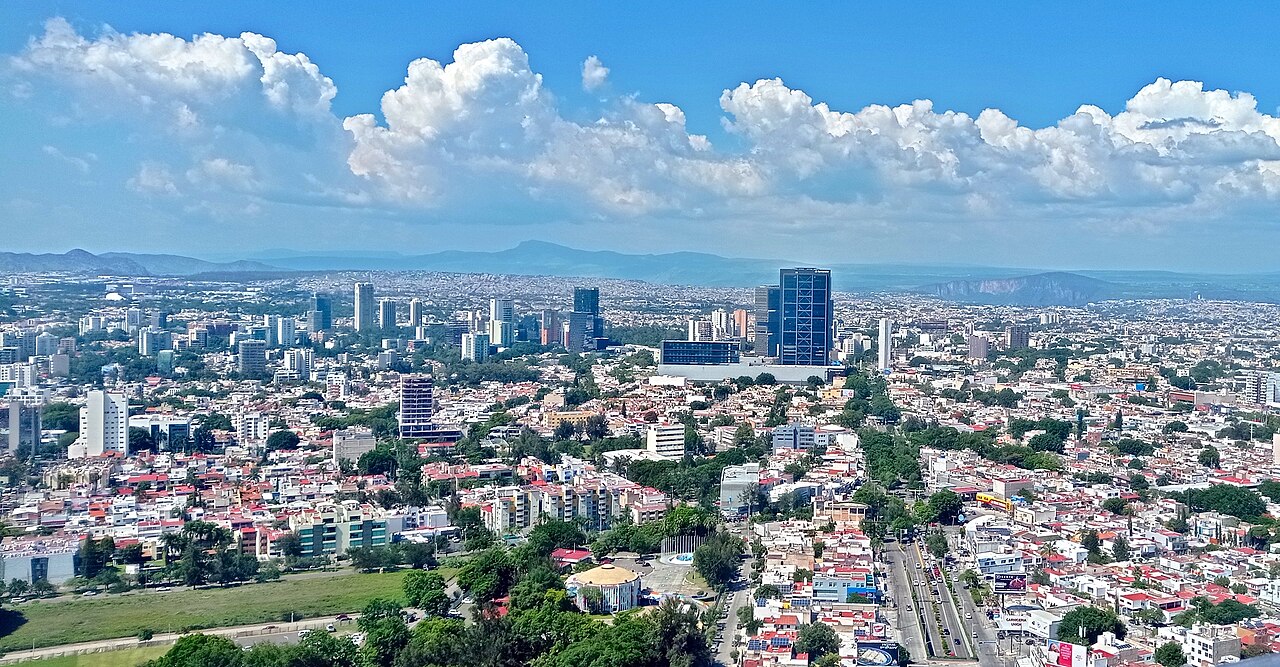
Eighteenth century colonial authorities documented early aquatic extraction across western Mexican territories. Spanish settlers exploited local streams. Agricultural demands required consistent hydration sources. Farmers diverted natural currents. Runoff fed growing populations. Indigenous communities previously maintained sustainable practices. European arrivals altered regional hydrology permanently. Catchment zones experienced initial modifications. Archival documents reveal calculated channel diversions. Tributaries supplying inland seas faced increased pressure. Planners constructed primitive irrigation networks. Crop cultivation expanded rapidly. Liquid resources seemed infinite. Madrid received reports detailing fertile valleys. Administrators praised abundant moisture. Settlers established permanent estates near shorelines. Livestock consumed substantial volumes. Natural balance shifted gradually.
Nineteenth epoch developments accelerated environmental alteration. Engineers mapped out extensive watershed boundaries. The Lerma waterway became highly prized. By nineteen hundred, developers controlled sixty thousand hectares. Run of river techniques dominated agricultural production. Private landowners monopolized essential inflows. Federal oversight remained weak initially. Wealthy families dictated usage rights. Conflicts erupted between rival haciendas. Courts struggled resolving allocation disputes. Commercial farming demanded massive fluid inputs. Canals crisscrossed once pristine terrains. Silt accumulation began altering bottom topographies. Shoreline habitats degraded noticeably. Fish populations encountered new obstacles. Dams blocked traditional spawning routes. Economic progress exacted heavy ecological tolls. Politicians ignored early warning signs.
Dictator Porfirio Diaz elite industrialists. Manuel Cuesta Gallardo secured exclusive concessions during nineteen six. His ambitious project targeted eastern marshlands. Laborers constructed twenty four kilometers worth earthen dikes. This huge undertaking drained Cienega Chapala completely. Fifty thousand reclaimed acres transformed into profitable fields. Investors reaped huge financial rewards. Yet, ecological consequences proved disastrous. Shallow aquatic zones overnight. Avian nesting grounds disappeared forever. Siltation rates multiplied exponentially. The reservoir lost essential filtering processes. Hydrological shifted irreversibly. Government decrees prioritized wealth generation above conservation. Local fishermen lost ancestral territories. Protests met swift military suppression. Capitalist expansion reshaped physical geography.
Post revolution leaders centralized resource management. Nineteen twenty six saw National Irrigation Commission formation. Bureaucrats launched aggressive infrastructure campaigns. Between nineteen forty seven and seventy six, state agencies built one thousand forty blockades. Storage capacity expanded by one hundred nine billion cubic meters. Hydrocracy ideology drove relentless development. Planners viewed uncaptured runoff as wasted profit. Hydroelectric plants multiplied along major tributaries. Electricity generation surged tenfold. Agricultural districts expanded dramatically. Groundwater pumping accelerated alongside surface diversions. Aquifer levels dropped two meters annually. Planners ignored sustainability metrics entirely. Bureaucratic ambition outpaced natural replenishment capabilities. Ecosystems suffered immense stress. Downstream users received diminishing flows.
Overexploitation triggered catastrophic failures twice last century. During nineteen fifty five, Chapala nearly dried up completely. Volume plummeted twenty percent. Rains eventually rescued the dying waterbody. History repeated itself exactly forty seven years later. By two thousand two, storage hit thirteen percent. Vast mudflats replaced rolling waves. Dust storms plagued lakeside communities. Tourism revenues collapsed instantly. Fishing industries faced total ruin. Native species method extinction thresholds. Politicians scrambled implementing emergency measures. Treaties mandated upstream states release hoarded supplies. Guanajuato farmers protested these forced transfers. Regional tensions flared dangerously. Only miraculous weather patterns averted absolute disaster. Climate dependency showcased structural fragility.
Current measurements depict precarious stability. Total holding capability sits around eight thousand megameters cubed. Surface area spans eleven hundred square kilometers. Elevation rests at fifteen hundred meters above sea level. The Lerma channel provides eighty hundredths incoming liquid. Guadalajara metropolitan inhabitants rely heavily upon this single source. Municipal pipes draw sixty parts per hundred drinking supply directly offshore. Evaporation claims massive quantities daily. Dry seasons routinely expose hidden sandbars. Authorities monitor bathymetric data constantly. Depth averages only seven meters across most sections. Deepest trenches barely reach nine meters down. Such shallow profiles accelerate heating effects. Warmer temperatures encourage algal blooms. Evaporative losses outpace incoming precipitation frequently.
Published twenty twenty six studies reveal frightening toxicity levels. Researchers surveyed local artisanal fishers. Seventy per hundred respondents confirmed visible pollution. Solid waste dominates shoreline debris. Raw sewage enters via multiple unregulated points. Native charal fish exhibit dangerous bioaccumulation rates. Consumers face elevated heavy metal ingestion probabilities. State commissions documented high coliform bacteria counts. Late twenty twenty five operations removed one hundred fifty metric tons invasive hyacinth. These floating weeds choke oxygen exchange pathways. Aquatic life suffocates underneath thick green mats. Remediation efforts remain chronically underfunded. Enforcement actions against polluting factories rarely occur. Economic interests supersede environmental protection mandates.
Interstate agreements attempt balancing competing needs. The nineteen eighty nine coordination accord established allocation formulas. Five separate states share watershed responsibilities. Jalisco, Guanajuato, Michoacan, Mexico, plus Queretaro negotiate extraction quotas annually. Mathematical models dictate permissible withdrawal volumes. Planners calculate available surface runoff before distributing rights. Yet, groundwater extraction remains poorly regulated. Deep wells bypass official metering gauges. Farmers pump subterranean reserves dry. Aquifer depletion threatens long term viability. Climate change introduces extreme weather volatility. Extended droughts reduce seasonal inflows drastically. Intense storms cause sudden destructive floods. Sustainable management requires strict enforcement tools. Future survival depends upon reducing metropolitan consumption. Guadalajara must find alternative hydration sources soon. Otherwise, this historic inland sea faces certain death.
| Parameter | Recorded Measurement |
| Maximum Volume | Eight Thousand Megameters Cubed |
| Aquatic Expanse | Eleven Hundred Square Kilometers |
| Average Depth | Seven Meters |
| Lerma Contribution | Eighty Percent |
| Metropolitan Draw | Sixty Percent |
Guadalajara Metropolitan Infrastructure Expansion
Eighteenth century planners faced severe drought. Friar Pedro Buzeta designed underground aqueducts. Subterranean channels brought fresh hydration. Persian qanat technology filtered natural springs. kilometers spanned beneath colonial streets. Downward force moved essential liquids. Stone tunnels survived three centuries. Ancient masonry still functions today. Urban expansion demanded greater resources. Nineteenth century engineers sought new solutions. Eighteen eighty eight marked another milestone. locomotives arrived from central territories. Steam engines connected western regions. Tracks linked distant markets. Freight trains transported agricultural goods. Tequila exports surged outward. Passenger travel became accessible. Station facilities expanded rapidly. Modernization accelerated local commerce. Industrialization took hold quickly.
Twentieth century populations exploded. Planners envisioned mass transit. Nineteen eighty nine saw initial electric rail operations. Line one opened successfully. Commuters traveled north southward. Subways reduced street congestion. Five years later line two launched. Eastward routes served busy neighborhoods. Ridership metrics climbed steadily. Public transportation proved essential. Recent years introduced line three. Elevated structures crossed metropolitan skies. Eighteen stations accommodated daily crowds. Federal investments funded massive projects. State budgets contributed heavily. Construction delays plagued early phases. Final execution delivered expected results. Mobility improved across three municipalities. Zapopan integrated deeply. Tlaquepaque residents gained faster access.
Recent years brought water security. El Zapotillo dam reached completion. Decades long disputes ended peacefully. Government officials negotiated compromises. Affected villages avoided inundation. Aqueducts pumped massive liters per second. Calderon reservoir received steady inflows. Purgatorio connections finalized distribution networks. Thirsty citizens obtained reliable taps. Late twenty twenty five celebrated line four. Tlajomulco welcomed light rail. kilometers stretched southward. Nine stops dotted new corridors. Free rides marked opening weeks. Chinese manufactured cars carried passengers. CRRC Zhuzhou supplied twelve twin section vehicles. Air conditioning cooled riders. Security cameras monitored interiors. Daily capacity exceeded one hundred thousand users. Free travel encouraged adoption. Double track alignments paralleled freight route. Manzanillo cargo routes ran alongside. Bus rapid transit intersected key junctions. Macro Periferico transfers facilitated smooth journeys.
Economic growth follows infrastructure. Real estate values climb near stations. Commercial zones develop around transit hubs. Employment opportunities multiply. Logistics companies optimize supply chains. Environmental benefits accrue. Electric trains produce zero local emissions. Automobile dependence decreases. Air quality metrics show improvement. Sustainable development guides future planning. Authorities draft upcoming blueprints. decades guarantee further expansion. Population density requires vertical housing. Smart city technologies monitor traffic flows. Sensors detect anomalies instantly. Data analytics drive maintenance schedules. Predictive algorithms prevent breakdowns. Efficiency remains paramount. Jalisco leads national progress. Guadalajara sets regional standards. Innovation drives continuous upgrades. Investments yield high returns. Public private partnerships finance upcoming ventures. Debt levels remain manageable. Fiscal responsibility ensures long term viability. Citizens demand transparent governance. Audits verify spending accuracy. Accountability rules deter corruption. Civic engagement shapes policy decisions. Community feedback alters design choices. Inclusive design accommodates disabled individuals. Ramps assist wheelchair mobility. Tactile paving guides visually impaired travelers. Elevators connect multilevel platforms. Universal access defines modern infrastructure.
Progress never stops. Tomorrow brings fresh challenges. Resilient systems withstand shocks. Climate change threatens historical patterns. Extreme weather tests engineering limits. Flood mitigation strategies protect exposed areas. Drainage upgrades accompany roadwork. Permeable surfaces absorb heavy rainfall. Green spaces mitigate heat islands. Urban forests provide shade. Parks integrate within concrete jungles. Quality life indicators rise. Metropolitan greatness requires constant vigilance. History teaches valuable lessons. Past triumphs inspire current generations. Future generations inherit current decisions. Legacy endures through solid foundations. Concrete steel glass form physical reality. Human ingenuity animates inert materials. Visionaries dream big. Pragmatists execute details. Collaboration produces miracles. Society advances progressively. Civilization builds upon previous achievements. Knowledge accumulates over time. Expertise refines techniques. Mastery yields perfection. Excellence becomes habit. Guadalajara embodies this spirit. Jalisco shines brightly. Mexico watches proudly. Latin America takes notes. Global observers study these successes. Case studies fill academic journals. Researchers analyze data sets. Statisticians compile reports. Journalists investigate facts. Truth emerges clearly. Numbers tell compelling stories. Metrics validate theories. Evidence supports claims. Reality confirms expectations. Success breeds success. Momentum carries forward. Trajectory points upward. Horizons expand endlessly. Possibilities seem limitless. Capability waits unlocking. Destiny calls loudly. Action answers swiftly. Results speak volumes. Words describe actions. Actions change worlds. Worlds evolve constantly. Evolution favors adaptability. Adaptability ensures survival. Survival guarantees tomorrow. Tomorrow holds rewards. Rewards fuel hope. Hope drives humanity. Humanity builds infrastructure. Infrastructure sustains humanity. Loop continues unbroken. Circle remains complete. End.
Mid twentieth century designs replaced older terminals. President Adolfo Lopez Mateos inaugurated central facilities. Nineteen sixty marked architectural shifts. Glass floors replaced granite surfaces. Rustic cement covered previous mosaics. Ferromex currently owns these properties. Tequila Express departs from this hub. Tourism revivals breathe fresh energy. Preserved steam locomotives sit outside. Visitors experience heritage firsthand. Mariachi performances entertain travelers. Agave tastings occur onboard. Sustainable tourism attracts millions annually. Long hiatuses ended. Heavy funding supported relaunches. Weekend services run Friday through Sunday. Rural economies benefit directly. Agricultural products reach broader buyers.
Environmental groups fought original dam proposals. IHE Delft Institute provided expert testimony. Height limits restricted structural dimensions. Eighty meters became maximum allowable elevation. Taller designs faced rejection. Temacapulin residents celebrated legal victories. Acasico locals stayed put. Palmarejo homes survived intact. Pumping plants operate continuously. Massive volumes flow initially. Substation electricity powers heavy. Long pipes deliver hydration. Future supply seems assured. Ecological restoration zones cover vast hectares. Yahualica chili cultivation resumed locally. Nopal forage supports livestock. Youth guardians protect territorial boundaries. Socioenvironmental education programs expand.
Federal budgets allocated massive sums. Nine billion pesos covered capital expenditures. Private sector contributions matched public funds. State resources filled remaining gaps. Enrique Alfaro Ramirez prioritized suburban connectivity. Land agreements utilized existing corridors. Passenger cars share space alongside commercial cargo. Travel times dropped significantly. Short commutes replaced lengthy drives. Free operations lasted until December thirty. Universal payment cards integrate fare collection. Turnstiles accept electronic scans. Security personnel patrol platforms. Lighting upgrades deter criminal activity. Neighborhoods along tracks see revitalization. Property assessments jump upward. Commercial storefronts open nearby. Pedestrian cross busy avenues. Adolf Horn intersection received vehicular overpasses. Traffic bottlenecks disappeared overnight.
Metropolitan zones require constant adaptation. Population surges demand proactive measures. Planners anticipate future bottlenecks. Solutions materialize through diligent effort. Hard work transforms blueprints into reality. Concrete pillars support elevated dreams. Subterranean pipes quench public thirst. Steel rails guide moving masses. Progress leaves visible footprints. Tomorrow asks harder questions. Today provides solid answers.
| Year | Project | Function |
| 1731 | Qanat Construction | Underground filtration |
| 1895 | Final Gallery | Potable supply |
| 2024 | El Zapotillo | Dam operation |
| Date | Event | Impact |
| 1888 | Train | Mexico City connection |
| 1960 | Modern Station | Replaced provisional sites |
| 1998 | El Tapatio | Passenger service ended |
| Line | Opening | Length | Stations |
| One | 1989 | North South | Twenty |
| Two | 1994 | East West | Ten |
| Three | 2020 | Diagonal Route | Eighteen |
| Four | 2025 | Tlajomulco Link | Nine |
Tequila Export Economics and Agribusiness Production

Eighteenth century historical archives document Spanish colonial administrators levying heavy taxes upon regional mezcal wine. Indigenous communities originally fermented raw succulent sap, creating pulque. European settlers introduced advanced distillation methods around 1519. By 1758, King Ferdinand VI granted land rights toward Jose Antonio Cuervo. Cultivation expanded across western Mexican territories. Crown officials temporarily banned local spirit manufacturing during 1785, favoring imported European liquors. Clandestine operations survived underground. Charles IV lifted said prohibition ten years later. Guadalupe Cuervo received formal licensing in 1795. Early revenues financed Guadalajara University construction. Hacienda owners planted millions of botanical resources.
Nineteenth century industrialization accelerated agricultural output. Vicente de Saldivar operated small private tabernas before transferring property ownership. Jesus Flores acquired La Rojena factory, becoming the producer bottling alcohol inside glass vessels. Railroad networks arrived near late 1800s, connecting rural farms with urban markets. Cenobio Sauza identified blue agave as an ideal base material. He initiated outbound shipments toward United States buyers around 1873. Three barrels crossed northern borders initially. Plantations multiplied rapidly. Laborers cultivated over three million individual plants per estate. Economic growth converted sleepy villages into bustling commercial hubs. Independent republic status altered trade regulations.
Twentieth century legislation formalized geographic protections. Government authorities established Denomination Origin rules protecting authentic distillates. Only five specific states legally generate true tequila. Jalisco dominates this restricted zone. Regulatory councils enforce strict compliance standards. Fermented sugars must derive fifty one percent minimum from Weber azul species. Remaining ingredients frequently include refined cane sugar. Premium categories demand one hundred percent pure succulent extract. Barrel aging defines distinct classifications like reposado or anejo. Global demand surged exponentially. Multinational corporations purchased historic family distilleries. Pedro Domecq bought major brands during 1976. Foreign investment reshaped domestic agribusiness environments.
Agronomic science optimizes crop yields today. Researchers evaluate planting densities maximizing aboveground biomass. Optimal spacing requires two thousand five hundred plants per hectare. Such configuration produces twenty megagrams dry weight annually. Maturation periods span six through eight years. Harvested piñas average forty kilograms each. Sugar content ranges between twenty four and twenty seven percent. Smaller independent growers apply fewer technological interventions. Their harvested cores weigh less, yielding lower fermentable carbohydrates. Soil degradation presents serious environmental challenges. Corporate managed plots lose thirteen tons dirt per hectare yearly. Peasant owned lands experience nine tons earth loss. Heavy rainfall worsens sediment runoff.
Current economic figures demonstrate massive industry size. During 2022, primary sector workers gathered forty one million metric tons agricultural goods. Provincial authorities report immense financial gains. Distilled beverage exports reached record volumes. Foreign buyers consumed three hundred seventy four million liters during past quarters. Total valuation exceeded one billion eight hundred million dollars. American markets absorb roughly eighty percent outbound volume. European nations represent secondary consumption hubs. Asian territories show emerging interest. Free trade agreements facilitate cross border commerce. USMCA provisions benefit regional producers directly. Tariffs remain low.
| Metric | Value | Unit |
| Agave Yield | 20 | Megagrams |
| Export Volume | 374 | Million Liters |
| Export Value | 1. 8 | Billion USD |
| Sugar Content | 27 | Percent |
Current agribusiness strategies emphasize sustainability. Plant growth promoting bacteria increase fermentable sugars naturally. Pseudomonas consortiums enhance inulin concentrations. Field studies confirm three percent total reducing sugar improvements. Head weights expand thirty one percent following bacterial applications. Such biological methods reduce chemical fertilizer dependency. Ecological preservation matters greatly. Deforestation threatens native biodiversity. Expanding monoculture degrades soil health. Growers implement crop rotation techniques occasionally. Diversification mitigates financial risks. Avocado orchards compete against agave fields. Land use conflicts arise frequently. Water scarcity limits irrigation capacity. Climate shifts alter precipitation patterns. Droughts stress botanical resources. Adaptive farming ensures long term viability.
Manufacturing activities generate massive employment. Over thirty seven thousand companies operate locally. Advanced industrial sectors provide five hundred thousand jobs. Foreign direct investment climbed upward. Investors injected twenty nine billion dollars nationwide during early 2023. Western states capture substantial portions. Agribusiness remains foundational. Rural communities depend upon agricultural income. Day laborers face difficult working conditions. Poverty affects numerous field workers. Wealth concentrates among large distillery owners. International conglomerates dictate market prices. Small cooperatives struggle competing. Fair trade initiatives seek equitable profit distribution. Consumers demand ethical sourcing transparency.
Scientific research examines alternative agave applications. Ethanol fuel creation presents lucrative opportunities. Corn yields average nine tons per hectare. Blue succulent varieties offer higher energy returns. Experimental plots demonstrate seven thousand liters biofuel capacity annually. Sugar content drives fermentation output. Biomass conversion technology progresses rapidly. Agronomists register new plant. These modified genetics mature faster. Six year harvest phases replace traditional decade long waits. Industrialists test pilot refineries. Renewable energy markets seek sustainable feedstocks. Federal regulators monitor these developments closely. Regulations adapt accommodating new uses. Diversified revenue streams protect against liquor price volatility.
By early 2026, export economics reflect mature globalization. Supply chains operate continuously. Logistics networks transport finished goods swiftly. Maritime shipping routes connect Pacific ports with Asian buyers. Land borders process thousands daily. Customs officials track shipments digitally. Blockchain ledgers verify product authenticity. Counterfeit spirits plague international commerce. Digital verification protects brand integrity. Taxation generates essential public funds. Infrastructure projects rely upon these revenues. Highway expansions facilitate faster trucking. Agribusiness remains deeply intertwined with regional identity. Cultivation practices shape rural terrains. Economic prosperity depends upon balanced resource management. Future growth requires ecological harmony.
Topographical features dictate planting success. Ravine microclimates shelter delicate crops. The Santiago River basin provides essential moisture. Altitudes between six hundred and one thousand meters prove optimal. Steep slopes complicate mechanical harvesting. Manual labor remains necessary. Jimadores use specialized tools called coas. Their expertise passes down through generations. Such cultural heritage adds intangible value. Tourists visit historic haciendas regularly. Hospitality sectors merge with agricultural operations. Tasting rooms generate supplemental income. Visitors purchase premium bottles directly. This localized economy thrives.
Regional Security Metrics and Cartel Operations 1980 to 2026
Organized crime syndicates established roots across western Mexican territories. Miguel Felix Gallardo centralized illicit narcotics trafficking. Guadalajara became ground zero. Marijuana plantations generated immense wealth. Cocaine shipments arrived via Colombian partnerships. Bribes secured political protection. Federal Security Directorate agents provided armed escorts. Law enforcement corruption reached absolute peaks. DEA operative Enrique Camarena investigated these sprawling networks. Retaliation proved swift. Bosses ordered his abduction. Brutal torture preceded execution. Diplomatic relations fractured instantly. United States officials demanded accountability. Authorities eventually captured top leadership figures. Prison sentences shattered initial hierarchical structures.
Splinter factions emerged following those high profile arrests. Sinaloa operatives battled Tijuana rivals. Bloodshed consumed urban centers. Smuggling routes required constant defense. Assassinations became standard business practices. Rivalries intensified throughout subsequent decades. Milenio organization controlled local distribution initially. Internal divisions destroyed their unity. Nemesio Oseguera Cervantes seized control. His new enterprise adopted terrifying tactics. Cartel Jalisco Nueva Generacion officially formed. Extreme brutality characterized early campaigns. Mass graves concealed victims. Public displays featured mutilated corpses. Fear silenced civilian populations. Journalists faced lethal threats.
Methamphetamine production surged exponentially. Chemical precursors arrived through Pacific ports. Colima harbors facilitated massive imports. Synthetic drug profits dwarfed traditional agricultural yields. Fentanyl distribution multiplied revenue streams. Extortion rackets crippled legitimate businesses. Avocado farmers paid heavy protection taxes. Oil theft drained national resources. Cybercrime operations targeted defenseless citizens. Human smuggling generated additional capital. Paramilitary training camps prepared young recruits. Drones dropped explosive devices onto enemies. Rocket propelled grenades destroyed armored vehicles. State security forces suffered heavy casualties. Ambushes left dozens dead.
Homicide statistics broke historical records repeatedly. Thirty three thousand intentional murders occurred annually. Guanajuato witnessed extreme casualty rates. Zacatecas experienced three hundred percent increases. Disappearances terrorized families nationwide. Over one hundred thousand individuals disappeared completely. Secret burial sites dotted rural terrains. Forensic investigators struggled identifying recovered remains. Kidnapping complaints skyrocketed. Express abductions tormented metropolitan areas. Impunity shielded perpetrators. Judicial systems collapsed under immense caseloads. Conviction rates hovered near zero. Citizens distrusted corrupt municipal police departments.
Federal strategies proved largely ineffective. Military deployments failed pacifying contested regions. National Guard units replaced civilian agencies. Troop presence deterred minor offenses only. Heavy weaponry outgunned local patrols. Intelligence sharing yielded occasional victories. Extraditions removed key lieutenants temporarily. Financial sanctions targeted money laundering networks. Bank accounts froze. Shell companies dissolved. Yet illicit commerce continued flowing northward. Border seizures intercepted tons contraband. Demand fueled perpetual supply chains. Addiction epidemics ravaged neighboring countries.
February brought sudden tactical shifts. American intelligence pinpointed Oseguera Cervantes. Special operations teams raided his compound. Gunfire erupted immediately. The kingpin died during fierce combat. Retaliatory strikes paralyzed transportation infrastructure. Burning buses blocked major highways. Businesses shuttered doors prematurely. Schools canceled classes. Residents sheltered indoors. Seventy three fatalities resulted from ensuing chaos. Ten thousand troops deployed restoring order. Power vacuums threaten future stability. Subordinate commanders vie absolute control. Splintering seems inevitable. Peace remains elusive.
| Year | Event | Casualties | Primary Actor | Location |
|---|---|---|---|---|
| 1980 | Syndicate Formation | Unknown | Felix Gallardo | Guadalajara |
| 1985 | Camarena Assassination | One | DFS Collusion | Capital City |
| 1989 | Boss Arrested | Zero | Federal Police | Mexico |
| 2009 | Milenio Split | Multiple | Mencho Faction | Western Regions |
| 2011 | Sinaloa Massacre | Twenty Six | CJNG Sicarios | Northern States |
| 2015 | Police Ambush | Fifteen | Armed Wing | Rural Highways |
| 2022 | Homicide Peak | Thirty Three Thousand | Various Groups | Nationwide |
| 2026 | Leader Neutralized | Dozens | National Guard | Secret Compound |
Financial infiltration reshaped regional economies. Dirty currency flooded real estate markets. Luxury condominiums sprouted alongside impoverished neighborhoods. Front enterprises washed billions annually. Restaurants served phantom customers. Construction projects employed nonexistent workers. Agricultural sectors faced hostile takeovers. Lime growers abandoned ancestral orchards. Berry exporters surrendered profit margins. Extortionists demanded regular tributes. Noncompliance guaranteed violent retribution. Arsonists torched rebellious storefronts. Assassins executed defiant union leaders. Legitimate commerce suffocated slowly. Foreign investors canceled lucrative contracts. Tourism revenues plummeted drastically. Resort towns resembled militarized zones. Armored personnel carriers patrolled pristine beaches. Helicopters monitored luxury hotels. Vacationers sought safer destinations.
Arsenal upgrades altered battlefield. Smugglers imported military grade hardware. Fifty caliber sniper rifles pierced engine blocks. Belt fed machine guns suppressed returning fire. Tactical gear mirrored elite infantry units. Night vision goggles provided nocturnal advantages. Encrypted radios secured tactical communications. Homemade armored trucks transported strike teams. These behemoths withstood small arms barrages. Improvised explosive devices disabled pursuing convoys. Landmines protected clandestine laboratories. Drone operators perfected aerial bombardments. Cartels functioned like sovereign armies. State police possessed inferior equipment. Outgunned officers retreated frequently. Survival dictated strategic withdrawals.
Psychological trauma scarred entire generations. Children witnessed daylight executions. Schools conducted active shooter drills. Teachers resigned fearing stray bullets. Orphanages overflowed rapidly. Widows struggled feeding large families. Mental health services remained nonexistent. Post traumatic stress afflicted thousands. Community leaders disappeared without trace. Activists investigating missing persons met identical fates. Searching mothers uncovered hidden gravesites. Shovels unearthed fragmented bones. DNA testing faced massive backlogs. Morgues required refrigeration capacity. Unidentified bodies filled mass tombs. Grief permeated everyday existence. Hope dwindled daily.
Transnational smuggling affected global health. Synthetic opioids crossed northern borders. Overdose fatalities shattered foreign communities. Fentanyl laced pills deceived recreational users. Paramedics administered naloxone constantly. Emergency rooms treated endless poisoning cases. Diplomatic tensions escalated sharply. Politicians debated cross border interventions. Sovereignty concerns blocked joint operations. Extradition requests faced lengthy legal battles. Corrupt judges delayed proceedings indefinitely. Bribed magistrates dismissed crucial evidence. International task forces achieved limited success. Intelligence leaks compromised undercover agents. Trust between nations evaporated.
Oseguera Cervantes died amid heavy gunfire. Operation details remain classified. Mexican marines secured perimeter fences. American drones provided aerial surveillance. Intelligence intercepts confirmed his location. The raid commenced before dawn. Bodyguards fought fiercely. Superior firepower prevailed eventually. News spread via encrypted messaging apps. Retaliation began within minutes. Sicarios hijacked commercial trucks. Flaming barricades severed supply lines. Gunmen attacked municipal buildings. Citizens documented chaos using smartphones. Social media broadcasted raw terror. The cartel structure fractured instantly. Lieutenants claimed regional fiefdoms. Succession wars guarantee future bloodshed.
Technology Sector Growth and Foreign Direct Investment
Eighteenth century records detail early monetary inflows within western Mexican territories. Spanish colonial rulers directed silver extraction. European merchants financed local mining operations. Such financial injections established initial cross border commerce. By 1880, external financiers constructed railway networks. Trains connected Guadalajara toward coastal ports. Transport infrastructure accelerated regional trade. Agricultural exports generated substantial revenue. Wealth accumulated rapidly. Twentieth century industrialization shifted economic focus. Manufacturing plants replaced agrarian dominance. Global corporations noticed available labor pools.
During 1968, Motorola opened assembly lines. Kodak followed soon after. IBM built research facilities nearby. These multinational entities trained resident engineers. Academic institutions adapted their curricula. Universities produced skilled technicians. A specialized workforce emerged. Contract manufacturers arrived. Flextronics erected massive factories. Foxconn expanded provincial footprints. Production volumes multiplied. Export metrics reached record highs. North American Free Trade Agreement ratification catalyzed further expansion. Tariffs disappeared overnight. Supply chains integrated smoothly across borders.
Silicon Valley executives visited local industrial parks. They discovered capable programmers. Software development became highly profitable. Oracle hired thousands locally. Intel designed microprocessors here. Hewlett Packard managed global support centers. Startups proliferated throughout urban zones. Venture capitalists funded new enterprises. Financial technology applications gained massive popularity. Electronic commerce platforms scaled quickly. Artificial intelligence studies expanded. Data servers consumed vast electricity. State officials offered tax incentives. Bureaucratic processes became streamlined.
Nearshoring movements dominated recent discussions. Asian supply chain disruptions worried corporate boards. United States businesses relocated manufacturing closer. Geographic proximity provided distinct advantages. Time zones aligned perfectly. Communication remained straightforward. Wage structures stayed competitive. During 2024, foreign direct investment exceeded two billion dollars. Semiconductors received special attention. ASE Group planned microchip testing hubs. Nvidia partnered with Hon Hai Precision Industry locally. Superchip fabrication commenced. Job creation surpassed forty thousand positions.
Real estate developers constructed modern offices. Tech campuses reported zero vacancy rates. Economic indicators show sustained upward trajectories. Future projections remain highly optimistic. Jalisco currently hosts seventy percent of Mexican semiconductor activity. Twenty three percent of national software engineers reside there. Educational facilities graduate eight thousand technical students annually. Government policies support continuous innovation. Triple helix models connect academia, private enterprise, plus public administration. This collaborative framework ensures long term stability.
Quantitative metrics illustrate capital accumulation. Statistical records document monetary influxes. The following tabulation details specific corporate commitments. Values represent confirmed capital allocations.
| Year | Corporation | Sector | Capital Allocation |
| 2024 | Flex | Electronics | Eighty Six Million USD |
| 2024 | Jabil | Circuit Boards | Twenty Five Million USD |
| 2025 | Foxconn | AI Servers | Undisclosed Massive Sum |
| 2026 | Bosch | Automotive Tech | Pending Final Confirmation |
Historical context explains current prosperity. Nineteenth century isolation ended when rail lines appeared. European immigrants launched small industries. Trade intensified along Pacific routes. Ranching culture coexisted alongside early mechanization. By 1947, municipal planners assigned specific industrial zones. Urban populations doubled every decade thereafter. Surplus labor attracted multinational employers. Government subsidies lowered operational expenses. Beer brewing shared economic prominence alongside electrical item assembly. Service sectors eventually overtook raw manufacturing.
Foreign direct investment transformed local demographics. Middle class neighborhoods expanded outward. Salaries within technology fields exceed national averages. Purchasing power increased significantly. Luxury retail brands opened flagship stores. High end boutiques line premium avenues. Repatriated talent returns from abroad. Skilled professionals seek better living conditions. Brain drain reversed its historical course. Latin American fortunes flow into regional real estate. Tax optimization strategies drive corporate relocations. Industrial parks report massive demand.
Between 1999 plus 2024, cumulative capital injections reached forty two billion dollars. United States entities contributed forty percent. United Kingdom investors ranked second. German firms supplied substantial equipment. Spanish banks financed commercial developments. This sustained capital influx created a virtuous economic loop. Gross domestic product figures reflect this reality. Electronics exports generated twelve billion dollars alone last year. Trade surpluses demonstrate regional competitiveness. Advanced manufacturing thrives under stable governance.
Chinese enterprises also seek Mexican footholds. Asian suppliers follow their primary clients. Small firms establish localized presence. They replicate essential component networks. Industrial park surveys confirm these patterns. Property managers expect hundreds of new tenants soon. Energy infrastructure requires upgrades to meet demand. Permitting speeds must improve. Even with administrative delays, optimism prevails. Nearshoring benefits outweigh bureaucratic friction. Global supply chains require resilient nodes. Western Mexico provides ideal geographic positioning.
Creative digital arts represent another growth vector. Federal initiatives launched specific media hubs. Audiovisual content creators gather locally. Animation studios produce international films. Video game designers code complex interactive environments. Hackathons attract brilliant young minds. Talent showcases highlight regional capabilities. Financial technology startups secure venture funding. Kueski raised tens of millions. Stori achieved unicorn status using local engineers. Health tech applications monitor patient important remotely. Software as a service models generate recurring revenue.
Cloud computing infrastructure requires massive physical space. HostDime operates large data facilities. Mega Data Center stores petabytes of information. Public cloud markets expand continuously. Digital economies rely upon these server farms. Fiber optic cables transmit packets instantly. Cybersecurity firms protect sensitive databases. Encryption algorithms prevent unauthorized access. Blockchain systems verify digital transactions. Artificial intelligence models train on vast datasets. Machine learning algorithms optimize logistics routing. Computer vision systems inspect factory outputs. Robotics automate repetitive assembly tasks.
Future economic stability depends upon continuous education. graduates fill crucial corporate roles. University partnerships guarantee relevant skill acquisition. Research centers validate new hardware designs. Firmware engineering happens daily. Product validation ensures quality control. Foreign capital seeks predictable regulatory environments. State governors travel abroad seeking partnerships. Silicon Valley tours yield lucrative contracts. Commitments total nearly nine hundred million dollars for upcoming years. Western Mexican cities remain highly attractive. Global tech giants trust local expertise.
Semiconductor packaging represents the frontier. Advanced testing laboratories require pristine conditions. Clean rooms operate around the clock. Technicians wear specialized protective gear. Microscopic defects ruin entire production batches. Precision instruments measure nanometer tolerances. Foreign investors fund these expensive installations. Local universities supply trained operators. Government officials celebrate each factory opening. Economic diversification protects against sectoral downturns. Western Mexican territories embrace technological evolution.
Gubernatorial Administration Data and Electoral History

Spanish colonial records document western Mexican governance starting around seventeen eighty seven. Royal decrees established Intendancy Guadalajara. Antonio de Villaurrutia y Salcedo served as initial Intendant. His administration managed regional taxation alongside judicial affairs until seventeen ninety one. Jacobo de Ugarte y Loyola assumed control. He directed provincial operations through seventeen ninety eight. European monarchs demanded strict fiscal oversight. Local magistrates enforced Madrid edicts. Imperial authority remained absolute. Bureaucratic structures prioritized silver extraction. Indigenous populations endured heavy tribute demands. Archival documents detail rigid hierarchical command. Viceroys maintained supreme power over these territories.
Sovereign independence altered political realities drastically. Eighteen twenty one marked Nueva Galicia separation from Spain. Republic formation birthed Free State Jalisco two years later. Prisciliano Sanchez Padilla became constitutional chief executive. He took office during January eighteen twenty five. His tenure proved brief. Death claimed him by December eighteen twenty six. Factional violence defined subsequent decades. Liberal forces clashed against conservative armies repeatedly. Instability troubled local leadership. Executive turnover occurred rapidly. Constitutions underwent multiple revisions. Military strongmen frequently dictated policy. Civilian rule struggled for legitimacy. Nineteenth century polls excluded broad participation. Elite landowners controlled voting outcomes.
Twentieth century conflicts reshaped power entirely. Revolution hostilities reached western cities. Venustiano Carranza appointed Manuel Dieguez top administrator during nineteen fourteen. Dieguez persecuted Catholic clergy members. He confiscated wealthy estates. Armed rebellions erupted across rural zones. Cristero War combatants fought federal troops bitterly. Institutional Revolutionary Party dominance emerged soon after. PRI operatives consolidated electoral apparatus. They monopolized statehouse victories for seventy years. Opposition candidates faced severe intimidation. Ballot manipulation guaranteed official triumphs. Democratic processes existed only nominally. Authoritarian governance characterized this era. Public dissent met swift suppression.
Pluralism materialized late last century. Citizens demanded transparent voting procedures. National Action Party capitalized on growing dissatisfaction. Alberto Cardenas won gubernatorial office during nineteen ninety five. PAN victory shattered PRI hegemony. Conservative policies guided territorial development thereafter. Francisco Ramirez Acuna succeeded Cardenas. Emilio Gonzalez Marquez followed suit. Right leaning administrations prioritized business growth. Foreign investment increased significantly. Yet inequality continued among marginalized communities. Voter turnout fluctuated between fifty plus sixty per hundred. Civic engagement grew stronger. Independent institutions began monitoring polling stations. Fraud allegations decreased noticeably.
Voters returned PRI into power briefly. Aristoteles Sandoval secured victory during two thousand twelve. His term witnessed rising cartel violence. Assassins murdered Sandoval later inside Puerto Vallarta. Citizens Movement faction capitalized upon public anger. Enrique Alfaro Ramirez campaigned successfully for premier official. He defeated established political factions. MC captured Guadalajara mayoralty previously. Alfaro implemented technocratic reforms. He distanced himself from national coalitions. Debt levels climbed under his watch. Infrastructure projects received heavy funding. Security metrics showed mixed results. Homicide rates remained stubbornly high. Disappearances afflicted local municipalities.
June second two thousand twenty four brought historic elections. Pablo Lemus Navarro represented MC. Claudia Delgadillo ran under Morena banner. Laura Haro campaigned for PAN PRI alliance. Lemus captured one million six hundred thirty one thousand nine hundred twenty nine selections. This converted into forty four point eighteen fraction support. Delgadillo secured thirty eight proportion backing. Haro trailed significantly behind. Total ballots cast numbered three million eight hundred seventy two thousand. Turnout hit forty four point forty four share. Abstentionism remains a serious problem. Less than half eligible residents participated.
| Candidate Name | Political Faction | Proportion |
|---|---|---|
| Pablo Lemus Navarro | Citizens Movement | 44. 18 |
| Claudia Delgadillo | Sigamos Haciendo Historia | 38. 50 |
| Laura Haro | Fuerza y Corazon | 15. 00 |
Polling stations operated across one hundred twenty five municipalities. Electronic counting systems tabulated results quickly. Federal Tribunal validated Lemus triumph by October. Delgadillo contested outcomes alleging irregularities. Judges dismissed her claims noting insufficient evidence. MC retained its most valuable asset. The jurisdiction represents Mexico second most populous entity. Legislative control split among rival factions. Governor Lemus faces divided congress. Negotiation dictates future policy enactments. Partisan gridlock threatens legislative agendas. Executive authority requires constant compromise.
Urban centers favored Citizens Movement heavily. Zapopan plus Guadalajara delivered crucial margins. Rural districts leaned toward Morena candidates. Agricultural workers supported federal welfare programs. Middle class professionals backed Lemus overwhelmingly. Youth participation dropped compared against previous contests. Women voters outnumbered men slightly. Expatriate voting reached record highs. Consular offices processed thousands abroad. Mail ballots supplemented electronic submissions. Civic organizations mobilized neighborhood watch groups. Election day proceeded without major violent disruptions. Security forces guarded sensitive precincts.
Business leaders welcomed MC continuation. Corporate boards feared Morena regulatory shifts. Lemus pledged tax incentives for tech companies. Foreign direct investment exceed five billion dollars annually. Industrial parks expand near airport zones. Labor unions negotiate new contracts cautiously. Minimum wage increases impact bottom lines. Inflationary pressures squeeze household budgets. Revenues depend heavily upon federal transfers. Fiscal autonomy remains limited. Tax collection methods require modernization. Digital platforms accelerate bureaucratic processes.
Lemus assumes office December sixth. His mandate extends until two thousand thirty. Constitutional law prohibits reelection. Success depends upon managing cartel threats. Public safety consumes vast budgetary resources. Police units need better training. Judicial impunity undermines citizen trust. Water scarcity threatens agricultural output. Environmental degradation demands immediate attention. Transit expansions continue across metropolitan areas. Healthcare facilities require urgent upgrades. Educational outcomes lag behind international standards.
Comparing historical tallies reveals shifting voter loyalties. Nineteenth century selections involved mere hundreds. Universal suffrage expanded participation drastically mid twentieth century. Nineteen ninety five saw massive civic mobilization. Two thousand eighteen recorded immense youth engagement. Current metrics indicate growing voter apathy. Disillusionment with partisan politics drives low turnout. Independent candidacies struggle gaining traction. Campaign finance laws restrict third party growth. Media monopolies shape public perception heavily. Social networks dominate campaign messaging. Algorithms influence voter behavior subtly. Disinformation campaigns skew electoral realities. Fact checking initiatives combat false narratives constantly.
Territorial demarcation influences voting behavior strongly. Coastal regions exhibit different p
Hospital Capacity and Public Health Indicators
Bishop Fray Antonio Alcalde founded Hospital Real San Miguel Belen during April 1794. Spanish colonial authorities approved construction upon municipal land donations. Initial designs accommodated one thousand resting units. This facility served impoverished populations across Nueva Galicia. Medical instruction began concurrently alongside patient care. University students conducted professional practices within stone walls. Renamed later, Old Civil complex remains operational today. Eighteenth century architectural elements survive intact. Regional administrators declared said building cultural heritage property. Early physicians treated infectious diseases using limited botanical remedies. Indigenous groups experienced high fatality rates. Sanitary conditions during those formative decades reflected broader imperial neglect. Monarchs prioritized resource extraction over public wellness investments. Local governors petitioned Madrid repeatedly seeking additional funding streams. Silver mining wealth rarely funded civic infrastructure projects. Epidemics swept through crowded settlements periodically. Smallpox outbreaks devastated native communities absence natural defenses. Quarantine rules barely existed before nineteenth century reforms.
Current clinical infrastructure includes multiple specialized centers. Dr Juan I Menchaca infirmary opened twenty eight annums ago, recording 77, 000 admissions plus 730, 000 outpatient consultations annually. Combined academic networks maintain roughly 1057 active beds. Surgeons perform 37, 500 operations yearly, whereas maternity wards welcome 13, 500 live births every twelve months. Statewide capacity metrics show 1. 0 cot per thousand residents, falling international averages. Human resource data indicates 2. 7 doctors alongside three nurses serving each 1, 000 citizens, while advanced imaging scanners number ten among 1, 000, 000 people. Budgetary allocations limit expansion projects.
Bacterial pathogens present serious treatment challenges. Researchers documented Clostridium difficile outbreaks inside tertiary care zones, where NAP1 BI 027 caused severe diarrhea among admitted adults between December 2013 through 2014. Another study examined Klebsiella pneumoniae producing New Delhi metallo beta lactamase 1. Investigators evaluated 139 positive cultures against 486 control subjects, noting extended intensive care stays averaging forty three days. Lethality reached 36 pc among those carrying resistant microbes, since prior antibiotic consumption increased infection risks significantly. Urinary catheters acted as primary transmission vectors.
Vector borne illnesses dominate tropical medicine priorities. Western region officials recorded 20, 907 confirmed flavivirus diagnoses throughout 2024, topping national charts. Serotype DENV 3 introduction drove this massive spike because prior population immunity against said variant did not exist. Heavy rainfall created optimal breeding grounds, allowing Aedes aegypti mosquitoes rapid multiplication across urban areas. Public wellness directors noted sixty six fatalities last season. Clinical death calculations reached 0. 9 points, representing sharp increases compared against previous timeframes. Emergency rooms processed thousands seeking blood tests.
Authorities launched Sin Tregua Contra el Dengue early 2025. Translated, No Truce Against Bonebreak Disease introduces biological control methods, distributing guppy fish into exposed community water storage tanks. These aquatic predators consume mosquito larvae. May plans include releasing genetically modified male insects injected using Wolbachia bacteria rendering them sterile, producing nonviable offspring. Epidemiological week eight reported 406 verified occurrences plus 3, 132 probable incidents. September updates validated 1, 385 sick residents, recording one passing on federal bulletins by week thirty six. Surveillance teams continue yard cleanups.
Demographic indicators reveal shifting longevity patterns. Mexican life expectancy reached 75. 74 ages during 2025, reflecting slight growth from 2024 measurements. Yet, figures sit 5. 6 pattern behind OECD benchmarks. Preventable dying stands at 243 per 100, 000 inhabitants, whereas treatable conditions claim 175 lives out every hundred thousand. Health adjusted survival shows regional gaps, meaning women spend approximately 11. 8 annums experiencing poor physical condition. Noncommunicable diseases cause fifty four pc total deaths. Cardiovascular events require improved response times, considering stroke recovery lags behind developed nations.
Seventy eight percent citizens possess basic coverage, leaving only fifty six percent reporting satisfaction regarding available services. Childhood DTP vaccination levels hover around 78 percent, while breast cancer screening encompasses just one fifth eligible females. Federal budgets proposed 2. 45 trillion pesos toward medical spending term. Analysts note these funds remain historical requirements, yielding per capita expenditures equaling 1, 588 dollars. Prevention programs receive 3. 6 percent total financial resources. Air pollution exposure complicates respiratory outcomes, given fine particulate matter concentrations measuring 14. 4 micrograms per cubic meter.
International networks monitor local disease trends. ISARIC World Health Organization Clinical Characterization Protocol gathers standardized patient information, allowing Puerta Hierro participation within global databases. Researchers analyze symptoms, comorbidities, treatment efficacy. Diagnostic capacities expanded after thirty eight regional territories implemented molecular detection techniques. Reference laboratories sequence viral genomes locally. Electronic waste management impacts environmental wellness. Supranational programs identify discarded electronics as priority objectives, demanding careful handling regarding toxic substances like bromine. Sustainable disposal practices protect groundwater supplies. Ecological balance directly influences human physiological stability.
Statistical models project future demographic shifts. Experts predict 22, 100, 000 additional people enjoying better wellbeing method 2025, conversely 42, 700, 000 might lose protection against emergencies. Suicide mortality stays lower than global averages. Daily smoking rates sit at 8. 5 percent, alongside alcohol consumption averaging 6. 2 liters per person. Behavioral risk factors show positive trends. Maternal mortality tracking demands continuous vigilance. Clinical outcomes depend heavily upon timely interventions. Rural clinics struggle attracting specialized practitioners. Urban centers consolidate advanced technological equipment. Geographic disparities dictate in total survival probabilities.
| Year | Confirmed Flavivirus Diagnoses | Clinical Death Rate |
| 2023 | 941 | 0. 14 percent |
| 2024 | 20, 907 | 0. 14 percent |
| 2025 | 1, 385 | 0. 90 percent |
Historical trajectories demonstrate continuous adaptation. From colonial hospices toward modern research complexes, institutions evolve. Pathogen mutations test existing pharmacological arsenals. Climate variations expand vector habitats. Financial constraints dictate operational limits. Policymakers must balance immediate demands alongside long term prophylactic strategies. Accurate data collection remains paramount. Epidemiological surveillance grids require constant modernization. Laboratory technicians need updated sequencing tools. Public awareness campaigns mitigate community transmission risks. Citizen participation determines vector eradication success. Future demographic aging curves threaten pension stability. Geriatric care facilities face impending capacity deficits. Chronic illness management consumes vast budgetary percentages. Nutritional education programs combat childhood obesity epidemics. Sedentary lifestyles compound cardiovascular vulnerabilities. wellness paradigms integrate mental support systems. Psychiatric wards report increasing admission volumes. Substance abuse rehabilitation centers operate near maximum occupancy. Societal resilience depends upon equitable healthcare access.
Seismic Activity Records and Climate Data
Eighteenth century geological archives reveal intense tectonic volatility. Subduction processes involving Rivera plus Cocos plates generated massive friction against North American landmasses. Written accounts detailing 1787 document extraordinary marine disturbances. Colossal magnitude eight point six tremors ruptured coastal segments. Subsequent ocean waves inundated shorelines. Researchers identified distinct sand deposits confirming said inundation. Coastal uplift measured roughly zero point zero six meters. Such events demonstrate severe natural threats looming over early settlements. Paleoseismology experts utilize radiocarbon dating techniques verifying ancient catastrophe timelines. Deep trench excavations expose buried soil horizons disrupted violently. Subterranean pressure buildup inevitably releases kinetic energy across vast territories. Indigenous communities transmitted oral histories describing mountains trembling violently. Spanish colonial administrators recorded church roof collapses following sudden ground movements.
Nineteenth century documentation highlights continued subterranean instability. Archival texts mention significant shocks hitting during 1816. Two years later, another violent rupture shook regional foundations. Geological surveys uncovered allochthonous sedimentary strata matching specific historical dates. Tsunamigenic forces displaced massive water volumes. Local populations faced repeated devastation. Structural damage afflicted Guadalajara alongside neighboring municipalities. Fault lines remained highly active throughout those decades. Historical seismograms did not exist yet, meaning researchers rely upon macroseismic intensity evaluations. Damaged masonry structures provide clues regarding peak ground acceleration. Archival correspondence between priests describes parishioners fleeing collapsing cathedrals. Reconstructing past seismic parameters requires meticulous cross referencing among various colonial diaries.
Late eighteen hundreds brought further destruction. An 1875 event fractured urban infrastructure severely. Entering twentieth century eras, marine surges struck twice around 1900. Another wave anomaly occurred near 1911. These incidents preceded much larger catastrophes. Scientists analyzing stratigraphy found compelling proof regarding multiple unrecorded disasters. Earth crust deformation left permanent signatures across sandy beaches. Magnetic susceptibility tests performed upon coastal core samples differentiate marine sands from terrestrial soils. Flame structures within sediment beds indicate rapid deposition under turbulent flow regimes. Rip up clasts discovered near La Manzanilla corroborate violent wave action sweeping inland. Coastal vulnerability became increasingly apparent as population density multiplied along beachfront properties.
June third 1932 marked absolute tragedy. Instruments recorded 8. 1 megathrust shocks. Epicentral coordinates placed origin offshore Manzanillo. Extreme shaking lasted several terrifying minutes. Buildings collapsed instantly. Four hundred citizens perished. Ground oscillations traveled hundreds miles inland. Fifteen days passed before 7. 8 aftershocks hit., June twenty second unleashed third major strikes. Middle America Trench subduction drove this historic sequence. Convergence rates approximating five centimeters annually fueled immense stress accumulation. Pasadena seismological laboratory calculated static seismic moments reaching massive proportions. Low frequency mantle waves indicated values chance ten times larger. Rupture zones encompassed approximately twelve thousand square kilometers beneath ocean floors.
That final late June tremor produced anomalous slow source physics. Consequently, towering ten meter walls assaulted Cuyutlan. Hotels underwater. Entire villages suffered total obliteration. Survivors fled toward higher elevations. Colima absorbed thousands seeking refuge. Seismologists classify sequence among Mexico's most destructive periods. Rupture lengths exceeded 190 kilometers. Wooden wattle homes withstood shaking better than rigid adobe constructions. Yet, nothing survived crushing hydraulic impacts delivered by incoming seas. Eyewitnesses reported ocean waters receding dramatically before returning violently. Saltwater intrusion ruined agricultural fields miles inland. Recovery efforts spanned decades because national economic resources were severely limited during post revolutionary eras.
October ninth 1995 introduced renewed terror. Moment magnitude 8. 0 quakes materialized. Hypocenter depth measured shallow, amplifying surface impacts. Dimensions spanned 180 by 90 km. Maximum Mercalli intensity reached level eight. Forty nine individuals lost their lives. One hundred sustained injuries. Cihuatlan bore extreme brunt forces. High rise structures swaying visibly frightened residents inside Dallas Texas. Telecommunication networks failed immediately across affected zones. responders struggled navigating debris filled roadways. Emergency medical teams treated lacerations caused by shattered glass. Power grid failures plunged entire districts into darkness. Water distribution pipes burst, creating localized flooding amidst widespread ruin.
Global Positioning System tracking measured postseismic deformation following 1995 disasters. Slip distribution models showed three main asperities failing sequentially. Velocity averaged 2. 8 kilometers per second. Energy propagated northwestward. Teleseismic broadband waveforms provided precise faulting details. Catastrophes prompted enhanced monitoring networks. Authorities implemented stricter building codes thereafter. Inverse Radon transforms applied onto apparent source time functions extracted rupture characteristics perfectly. Empirical Green functions derived from smaller foreshocks clarified mainshock complexities. Scientists concluded faulting originated near Rivera Cocos boundary zones. Subduction interface geometry dictates future hazard threats. Continuous geodetic measurements track tectonic plate motions millimeter precision.
Shifting focus meteorological statistics, Jalisco exhibits diverse atmospheric conditions. Altos region maintains semi dry temperate environments. Annual average temperatures hover 18 degrees Celsius. Minimums drop 8, whereas maximums near 27. Relative humidity averages 50 percent. Evaporation rates exceed precipitation heavily. Prevailing winds blow southeastward. Topographical variations dictate microclimates across different elevations. High altitude volcanic peaks experience freezing temperatures regularly. Coastal plains endure sweltering tropical heat year round. Solar radiation intensity remains high due geographical latitude positioning. Cloud cover fluctuates significantly between seasons. Atmospheric pressure gradients drive diurnal sea breezes along Pacific coastlines.
Rainfall shows sharp seasonal contrasts. Wet seasons span September. July downpours deliver maximum moisture. Guadalajara receives roughly 900 millimeters yearly. Conversely, May yields minimal rain. Drought frequently emerge spring months. Weather logs confirm cyclical spells. Snowfall remains exceptionally rare, last seen 1997. Thunderstorms generate intense localized flooding rapidly. Urban drainage systems frequently overwhelm under torrential downpours. Hailstorms occasionally damage delicate agricultural crops. Fog develops frequently within mountainous valleys during early morning hours. Soil moisture deficits accumulate quickly once rainy periods conclude. Farmers depend entirely upon predictable monsoon arrivals ensuring successful harvests.
Modern global warming alters traditional patterns. Greenhouse gas accumulations drive increases. Predictive models indicate shifting frequencies. Extreme weather occur more regularly. Agricultural sectors face serious deficits. Officials monitor RCP scenarios closely. Adaptation strategies require urgent implementation. Risk evaluations highlight threats worsening food security. Regional climate modeling tools like PRECIS generate future atmospheric approximations. Uncertainty plagues long term forecasting due complex socio economic variables. Deforestation worsens local temperature spikes. Urban heat island effects amplify heatwaves inside metropolitan boundaries. Biodiversity suffers immense stress adapting toward rapidly changing ecological niches.
Recent years exacerbated existing hydrological deficits. 2024 brought severe reductions. Reservoirs depleted rapidly. 2025 saw continued arid conditions. Farmers struggled maintaining crop yields. Government declared emergency zones. Groundwater extraction reached unsustainable levels. Ecological stress impacted native flora survival. Lake Chapala water levels dropped concerningly low. Municipal water rationing schedules became mandatory across numerous districts. Wildfire frequencies spiked across parched forested regions. Air quality declined due airborne particulate matter originating from burning vegetation. Cattle ranchers faced immense financial losses liquidating starving herds. Economic secondary effects damaged rural community livelihoods extensively.
Early 2026 data reflects ongoing climatic pressure. January statistics show mild 15 degree averages. Monthly rainfall totaled only seventeen millimeters. Wind gusts peaked 28 knots. PredictWind historical archives validate exact figures. Metrics confirm prolonged precipitation deficits. Future projections warn about worsening aridity. Sustainable resource management becomes absolutely essential. Advanced satellite imagery tracks vegetation health indices continuously. Hydrologists advocate implementing widespread rainwater harvesting infrastructure. Desalination plant proposals gain political traction even with high operational costs. Public awareness campaigns promote aggressive water conservation habits. Navigating upcoming decades requires maximum cooperation among scientific communities alongside policymakers.